*These statements have not been evaluated by the Food and Drug Administration. This product is not intended to diagnose, treat, cure, or prevent any disease.
Guides · Habits · Herbal history
The Cleavera Journal
Plain-language guides to how your lymphatic system works, simple habits that support it, the plants behind our formula and honest answers about herbal supplements. Written by the Cleavera Editorial Team, with sources listed on every article.
Your lymphatic system has no heart to pump it. These ten small, everyday habits, from walking to breathing to how you sit at your desk, help keep it moving.
The questions we hear most, answered in a few lines. Each one links to the full guide.
How does lymph move?
Lymph moves without a central pump. Short segments of lymph vessels called lymphangions squeeze rhythmically, and one-way valves between them keep the fluid heading toward the heart. Working muscles and the pressure changes of breathing add extra push. Lymph then rejoins the blood through large veins at the base of the neck, near the collarbones.
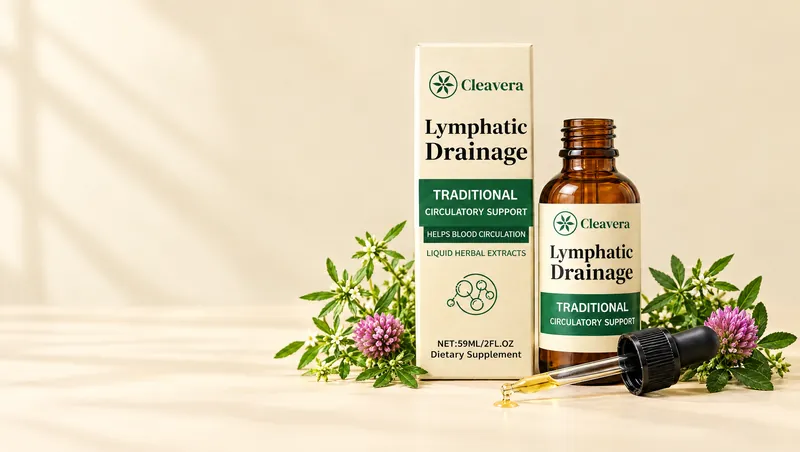
Lymphatic drainage drops have not been tested in published clinical trials in people. Their herbs, such as cleavers and red clover, have a long history of traditional use to support healthy lymphatic flow,* but no study shows what a combination drop does to lymph. Think of them as a traditional herbal ritual, not a proven fix.
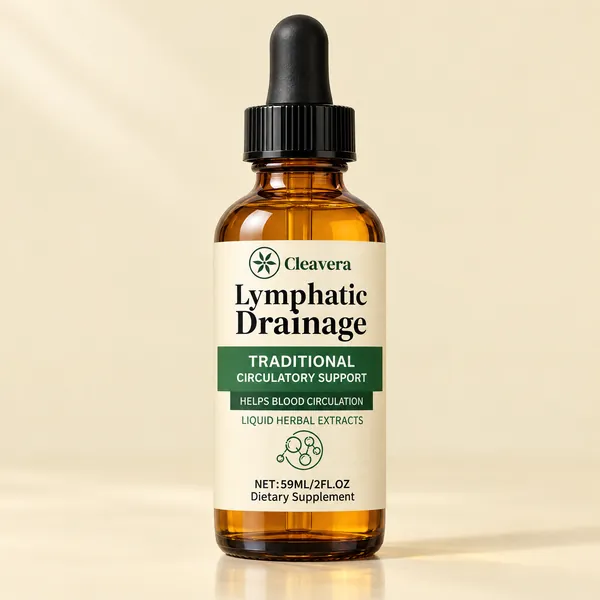
To take lymphatic drainage drops, follow your label. For Cleavera, that means 1 mL, measured with the dropper’s 1 mL marking or ¼ teaspoon, twice a day. Stir it into water, tea, juice or a smoothie, or take it straight. Pick two set times, take it with or without food, and drink water through the day.
When lymphatic drainage drops cause side effects, they are usually mild and digestive, such as nausea or an upset stomach. Skip them, or ask a clinician first, if you are pregnant or breastfeeding, under 18, have a hormone-sensitive or bleeding condition, take blood thinners or hormone therapy, or have surgery coming up.
To dry brush, use a natural-bristle brush on dry skin just before you shower. Start at your feet and sweep upward toward your heart in light, overlapping strokes, use gentle circles on your torso, skip your face, then shower and moisturize. Exfoliation is the clear benefit of dry brushing; its effect on lymph flow hasn’t been well studied.
Healthy adult women need about 2.7 liters (91 ounces) of total water a day and men about 3.7 liters (125 ounces), according to the National Academies. That total includes the water in food, which supplies roughly 20 percent, so drinks cover about 9 cups a day for women and 13 cups for men.
How does lymph move with no heart to pump it? Vessel contractions, one-way valves, muscle movement and breathing, explained simply, plus where lymph ends up.
Lymphatic system myths, fact-checked: can you feel lymph draining, do swollen lymph nodes need draining, and does lymphatic drainage really work? Plain answers.
8 min read
3 articles
Daily Rituals
Simple habits and movement that fit into an ordinary day.
Learn how to support your lymphatic system naturally with 10 simple daily habits, from walking and belly breathing to hydration, dry brushing and light massage.
Exercise for your lymphatic system, explained: why walking, swimming, yoga and deep breathing help lymph flow, and what the evidence says about rebounding.
Lymphatic drops vs. lymphatic massage vs. dry brushing: an honest side-by-side look at time, cost, evidence and who each one suits, plus when to skip them.
8 min read
3 articles
Self-Care
Hands-on routines: gentle self-massage, dry brushing and calmer mornings.
Lymphatic drainage massage at home: a gentle 10-minute self-massage that starts at the neck and collarbones, with pressure tips and who should skip it.
How to dry brush your skin: which direction to brush, how often, how to choose a brush, what dry brushing can and can’t do for lymph, and when to skip it.
How to depuff your face in the morning with 8 gentle habits: sleep position, less salt and alcohol, hydration, cold water, gua sha and some morning movement.
7 min read
2 articles
Nourish
Water, food and the everyday basics behind healthy fluid balance.
How much water should you drink a day? The National Academies’ intake numbers in cups and liters, signs you’re hydrated, and what fluids mean for your lymph.
Foods for your lymphatic system, explained simply: water-rich produce, sodium and potassium balance, fiber, protein and herbal teas for healthy fluid balance.
9 min read
3 articles
Behind the Formula
How Cleavera is made, and how to judge any herbal supplement.
Do lymphatic drainage drops work? An honest look at the evidence for cleavers and red clover, how long to wait, how to read reviews and what to expect.
How to choose the best lymphatic drainage drops: read the Supplement Facts panel, decode proprietary blends and Latin names, check testing and spot red flags.
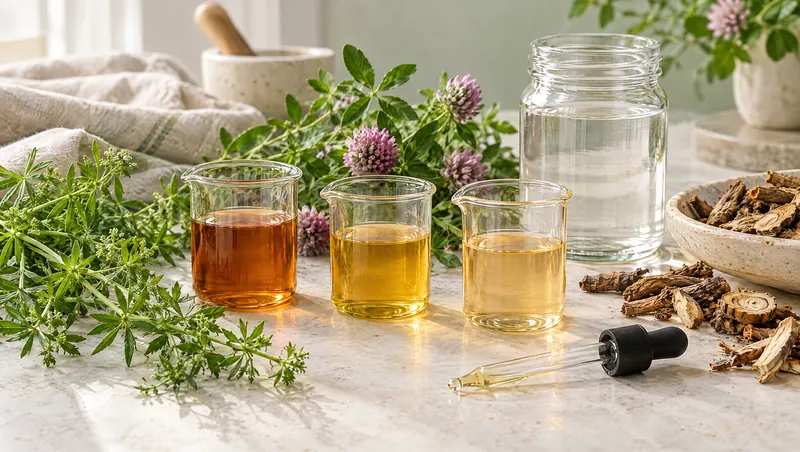
Glycerite vs tincture: how alcohol-free herbal extracts compare on extraction, taste, shelf life and storage, plus why Cleavera chose glycerin over alcohol.
7 min read
2 articles
Safety & Use
How to take lymphatic drops well, and who should skip them.
How to take lymphatic drainage drops: how much to use, best time of day, mixing into water, tea or coffee, empty-stomach tips and what to do if you miss one.
An honest guide to lymphatic drainage drops side effects: what to watch for, ingredient cautions like red clover, who should skip them and when to ask a doctor.
7 min read
2 articles
Herbal History
The plants in the bottle: where they grow, how to know them, and their traditional story.
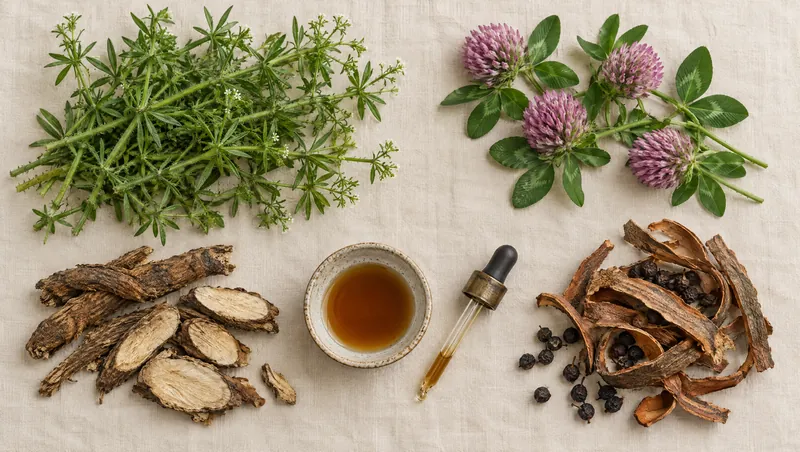
Explore the herbal history of cleavers, red clover, stillingia root and prickly ash bark, from 19th-century Eclectic physicians to traditional spring tonics.
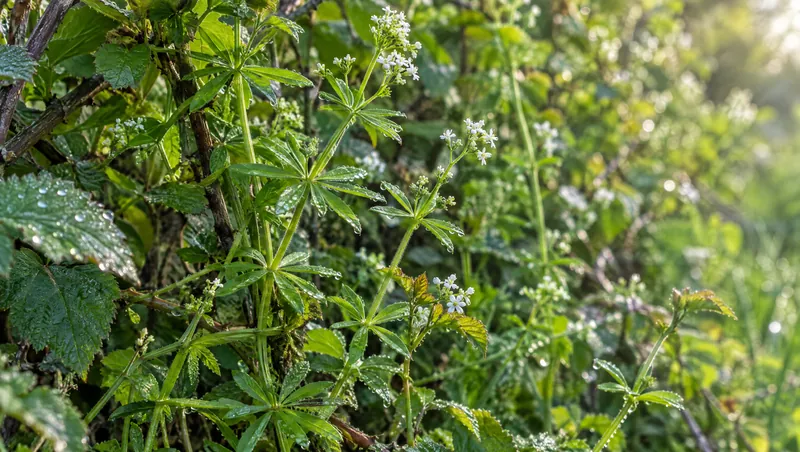
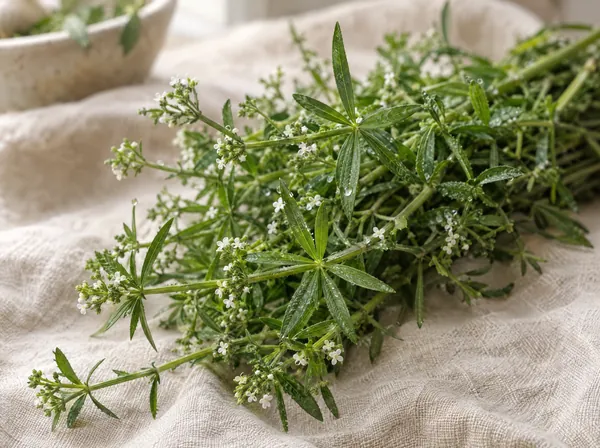
How to identify the cleavers plant (Galium aparine): sticky hooked hairs, whorls of 6 to 8 leaves, tiny white flowers, look-alikes and safe, ethical foraging.
Your lymphatic system in plain language, plus how to make Cleavera part of your day.
Evergreen guide
The Cleavera list
Herbal rituals, new releases & 10% off
No spam. Unsubscribe anytime.
New customer offer
Spin for your discount
Everyone wins between 10% and 25% off. Spin to see what you pull.
Stacks with free shipping over $50
Rare
20% off
Your code is saved to this browser and ready at checkout.
CLEAR20
One spin per customer. Code valid for 7 days on your first one-time order. By entering your email you agree to receive marketing emails from Cleavera; unsubscribe anytime. See our Privacy Policy.