Lymphatic Drops vs. Massage vs. Dry Brushing: Which Fits Your Routine?
Three popular ways to look after your lymphatic system, and three very different commitments. Here’s how herbal drops, gentle self-massage and dry brushing compare on time, cost, evidence and who they suit.
Search for ways to support your lymphatic system and three ideas come up again and again: herbal lymphatic drops, lymphatic drainage massage and dry brushing. They often appear in the same videos and routines, so it’s easy to assume they do the same job. They don’t. One is something you take, one is a hands-on technique, and one is mostly about your skin.
We make an herbal lymphatic supplement, so we have a stake in this question. That’s exactly why we want to give you a straight comparison, including where the evidence is thin, so you can choose what genuinely fits your days.
What’s the difference between lymphatic drops, massage and dry brushing?
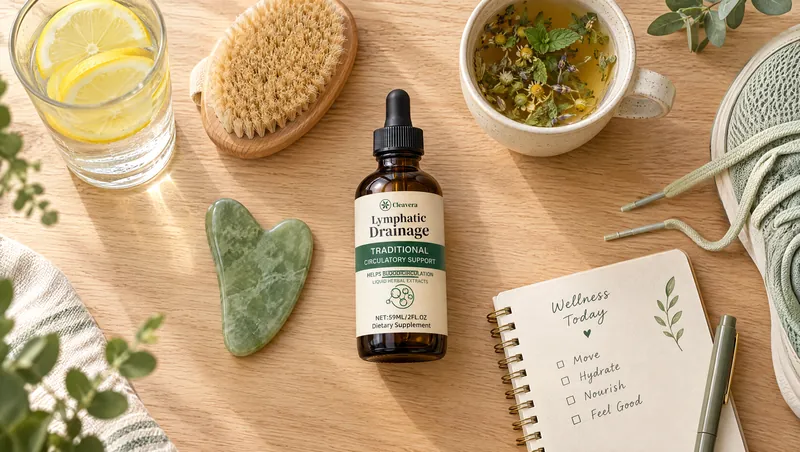
Lymphatic drops are a liquid herbal supplement you add to a drink. Lymphatic self-massage is a light, skin-stretching technique done with your hands. Dry brushing means sweeping a firm, dry brush over your skin before a shower. Each works at a different level, so they’re easier to compare once you know what each involves.
First, a quick refresher on the system they all have in mind. According to Cleveland Clinic, you have about 600 lymph nodes, and your lymphatic vessels pick up roughly 3 liters of fluid a day that your blood vessels leave behind in your tissues. There’s no central pump. The pulsing of nearby arteries and the squeezing of nearby muscles move lymph along, while one-way valves keep it heading toward two ducts in your upper chest that return it to your bloodstream.
Lymphatic drops
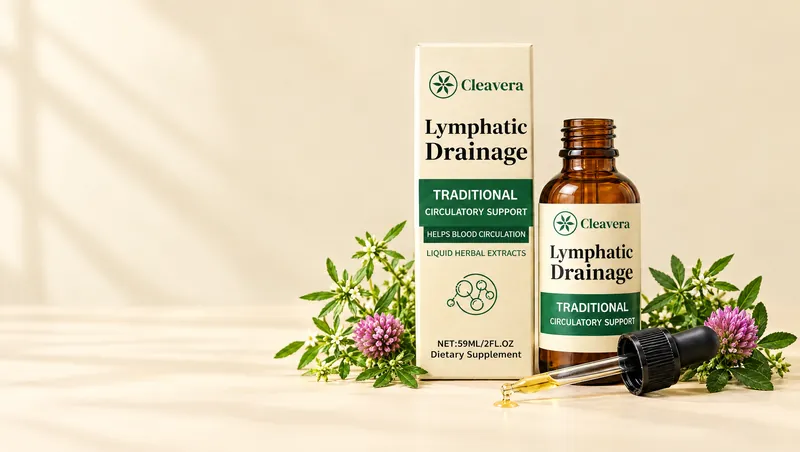
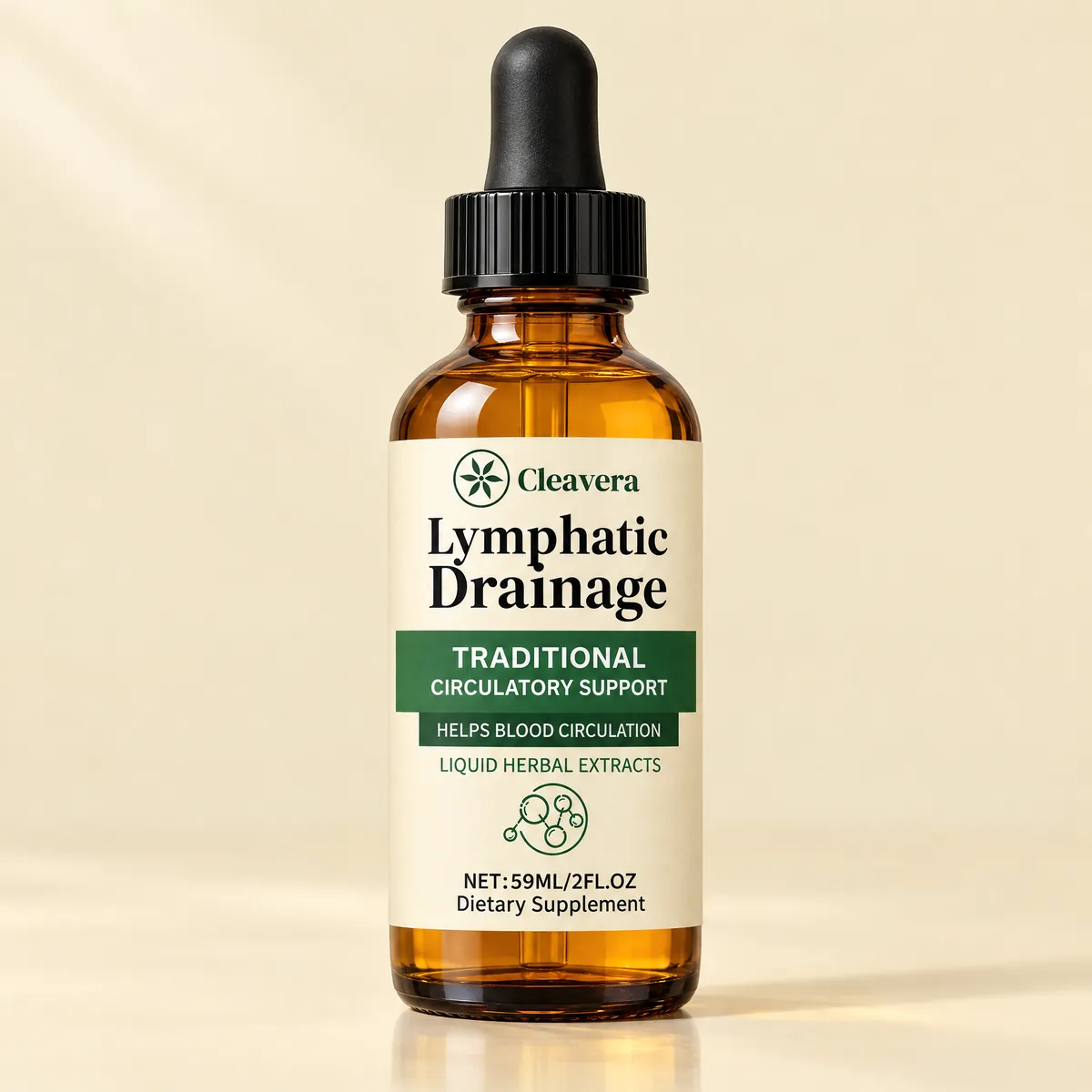
Lymphatic drops are liquid herbal extracts, usually taken once or twice a day in water or tea. Most formulas feature herbs with long histories in Western herbal tradition. Cleavera Lymphatic Drainage Drops, for example, combine cleavers, red clover, stillingia and prickly ash, which are traditionally used to support healthy lymphatic flow and circulation.* Our ingredient guide covers each plant.
The honest caveat: drops are dietary supplements, and the evidence behind herbal supplements varies widely. The NIH’s National Center for Complementary and Integrative Health (NCCIH) notes that the FDA isn’t authorized to review supplements for safety and effectiveness before they’re sold, so label transparency and third-party testing are worth looking for. Ingredients matter for safety, too. Red clover contains isoflavones, plant compounds structurally similar to estrogen, and NCCIH notes that red clover supplements may be unsafe during pregnancy or breastfeeding.
Lymphatic drainage massage
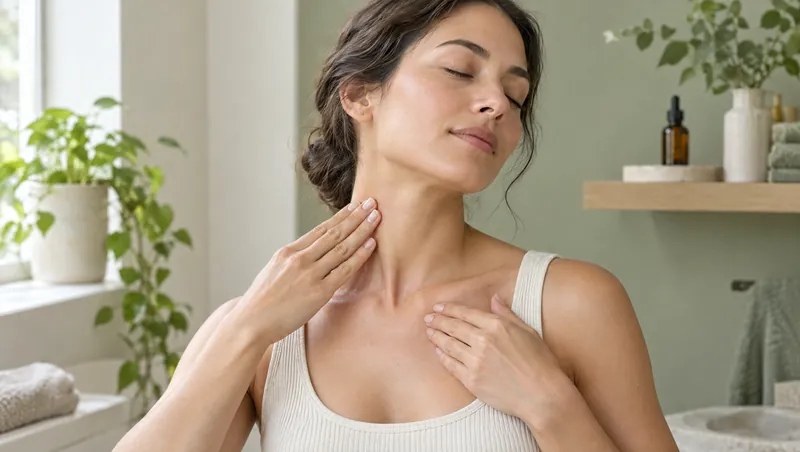
Lymphatic drainage massage uses very light, slow strokes that gently stretch the skin toward groups of lymph nodes, such as those in the neck and armpits. It comes in two forms that are easy to confuse. Clinical manual lymphatic drainage (MLD) is a specialized therapy performed by certified therapists as part of medical care. At-home lymphatic self-massage is a simpler routine anyone can learn, done as gentle self-care.
Cedars-Sinai’s lymphatic massage FAQ is candid about the evidence: if your lymphatic system is healthy, the massage isn’t likely to do much beyond simple relaxation. Relaxation is still a worthy goal. Our guide to lymphatic drainage massage at home walks you through a gentle routine.
Dry brushing
Dry brushing means sweeping a natural-bristle brush over dry skin, usually just before a shower. Cleveland Clinic dermatologist Shilpi Khetarpal, MD, describes its mechanical action as excellent for exfoliating rough, dry skin. It’s often promoted for lymph flow as well, but there’s little formal research on that, so exfoliation is the benefit you can rely on. Our step-by-step guide covers how to dry brush safely.
How do lymphatic drops, massage and dry brushing compare?
Drops are the quickest daily option, self-massage is the most relaxing and costs nothing, and dry brushing suits you best if smoother skin is part of the appeal. Here’s the side-by-side view.
| Lymphatic drops | Lymphatic self-massage | Dry brushing | |
|---|---|---|---|
| What it is | An herbal liquid supplement added to a drink | Light, skin-stretching strokes with your hands | A dry, firm-bristled brush swept over dry skin |
| Time | Under a minute, usually twice a day | About 10 minutes | 3 to 5 minutes before a shower |
| Cost | Ongoing; a 59-serving bottle like Cleavera lasts about a month at the label dose | Free | The one-time price of a brush |
| Evidence | Long traditional use; little clinical research on lymphatic formulas | Clinical MLD is part of medical care; for healthy people, research points mainly to relaxation | Exfoliation is clear; effects on lymph flow haven’t been well studied |
| What you’ll notice | Usually nothing dramatic; it’s a steady background habit | A calm, unhurried feeling | Smoother, softer skin |
| Who it suits | Busy people who enjoy herbal rituals and consistency | Anyone who wants a quiet, hands-on wind-down | People with rough or dry skin who like a brisk start |
| Skip it or ask first if | Under 18, pregnant or nursing, on medication, hormone-sensitive or bleeding conditions, surgery scheduled | Infection or fever, blood clots, heart or kidney conditions, serious illness under active care | Broken, irritated, sunburned or infected skin; very sensitive skin |
Is lymphatic massage better than dry brushing?
Neither is better overall, because they do different things. Lymphatic self-massage is built around how lymph moves, using slow, light skin stretches toward lymph nodes. Dry brushing is built around your skin, loosening dead surface cells. If you only have time for one, choose based on what you want from it.
- Choose self-massage if you want to slow down, breathe and do something calming at the end of the day. Clinical lymphatic techniques rely on light, rhythmic hand strokes like these, not on bristles.
- Choose dry brushing if your skin feels rough or flaky and you like a brisk, wake-up ritual before your morning shower.
One practical difference: Cedars-Sinai advises doing lymphatic massage without oils or lotions, because the aim is to gently move the skin. Dry brushing, by contrast, should always be followed by a moisturizer.
Can you combine lymphatic drops with massage or dry brushing?
Yes. The three don’t overlap, so many people use them together. No studies have tested them as a combination, though, so think of it as a routine you enjoy rather than a stack that adds up to a guaranteed result. A simple day might look like this:
- Morning: 1 mL of drops in a glass of water, then two or three minutes of dry brushing before your shower.
- Midday: a 10-minute walk after lunch.
- Evening: your second 1 mL serving in herbal tea, then about 10 minutes of self-massage and a few slow belly breaths.
If you’re new to all three, add one at a time, a week or two apart. That way, if your skin gets irritated or your stomach feels unsettled, you’ll know which habit to pause. Our guide to how to take lymphatic drainage drops covers timing and mixing in more detail.
Which option fits your routine?
The best option is the one you’ll keep doing. A quick way to decide:
- If you have two minutes a day: lymphatic drops, if they’re right for you, are the simplest habit to keep.
- If you want a calming ritual: lymphatic self-massage, ideally after a warm shower or before bed.
- If your skin is your focus: dry brushing a few times a week, followed by moisturizer.
- If you’re on a tight budget: self-massage, walking and deep breathing cost nothing.
- If you have a diagnosed lymphatic condition or ongoing swelling: skip the DIY versions for now and ask your doctor about a referral to a certified lymphatic therapist.
What matters more than any of these three?
Everyday movement, breathing and fluids matter more than any single product or technique. Because muscle contractions help push lymph along, every walk, stretch and flight of stairs supports work your lymphatic system already does. The CDC recommends that adults get 150 minutes of moderate-intensity physical activity a week. A brisk walk is the easiest place to start.
Cedars-Sinai also points to slow belly breathing and swimming as easy ways to keep fluid moving. Our 10 daily habits for healthy lymph flow turns those basics into a simple plan, and how lymphatic drops work explains where herbal support fits alongside them.
Skip it, or ask first. Talk to your clinician before lymphatic massage or dry brushing if you have an active infection or fever, broken or irritated skin, known or suspected blood clots, a heart or kidney condition, a serious illness under active medical care, or recent surgery. Lymphatic drops are for adults only. Check with your healthcare professional before use if you’re pregnant or nursing, take medication (including blood thinners or hormone therapy), have a hormone-sensitive or bleeding condition, or have surgery scheduled. Our guide to side effects and who should skip lymphatic drops has more detail.
See a doctor about any new swelling, especially in one arm or leg, or swelling that comes with pain, redness or warmth. Don’t try to massage or brush it away.
Frequently asked questions
Do lymphatic drops work as well as lymphatic massage?
They haven’t been compared head to head, and they work in different ways, so there’s no fair ranking. Drops are an herbal supplement traditionally used to support healthy lymphatic flow.* Self-massage is a hands-on technique whose clearest benefit for healthy people is relaxation. Many people simply enjoy both as part of one routine.
Can I dry brush and do lymphatic massage on the same day?
Yes. Many people dry brush before a morning shower and save self-massage for the evening. Doing both on the same skin back to back can leave sensitive areas tender, so give your skin a few hours in between. If you notice lingering redness or stinging, brush less often and keep your massage strokes extra light.
How long before I notice anything from these routines?
It depends on what you’re looking for. Dry brushing often leaves skin feeling smoother after the first few sessions, and self-massage can feel calming right away. Herbal supplements are designed for steady daily use, and we don’t promise specific results or timelines. If you notice a symptom that concerns you, talk to a healthcare professional.
Is a professional lymphatic drainage massage worth it if I’m healthy?
If your lymphatic system works normally, experts at Cedars-Sinai and UCLA Health say there’s little evidence of benefits beyond relaxation. If you enjoy it and can afford it, it’s a pleasant kind of massage. If you have a diagnosed lymphatic condition, see a certified lymphatic therapist through your doctor rather than a spa.
Do I need special tools for any of these?
No. Lymphatic self-massage needs only clean hands and a comfortable place to sit or lie down. Dry brushing needs one firm, natural-bristle brush, ideally with a long handle for your back, or a dry washcloth if your skin is sensitive. Lymphatic drops need only a glass of water or a cup of tea.
Sources
- Cleveland Clinic. “Lymphatic System.” my.clevelandclinic.org/health/body/21199-lymphatic-system
- Cedars-Sinai. “FAQs About Lymphatic Drainage Massage.” cedars-sinai.org/blog/lymphatic-drainage-massage-faqs
- UCLA Health. “Lymphatic drainage massage — separating fact from fiction.” uclahealth.org/news/article/lymphatic-drainage-massage-separating-fact-fiction
- Cleveland Clinic. “The Truth About Dry Brushing and What It Does for You.” health.clevelandclinic.org/the-truth-about-dry-brushing…
- NIH National Center for Complementary and Integrative Health. “Using Dietary Supplements Wisely.” nccih.nih.gov/health/using-dietary-supplements-wisely
- NIH National Center for Complementary and Integrative Health. “Red Clover: Usefulness and Safety.” nccih.nih.gov/health/red-clover
- Centers for Disease Control and Prevention. “Adult Activity: An Overview.” cdc.gov/physical-activity-basics/guidelines/adults