Lymphatic Drops While Pregnant or Breastfeeding: What to Know
Our answer is a plain no for pregnancy, trying to conceive and breastfeeding. Here’s why, herb by herb, what to do if you’ve already taken some, and what to talk to your clinician about instead.
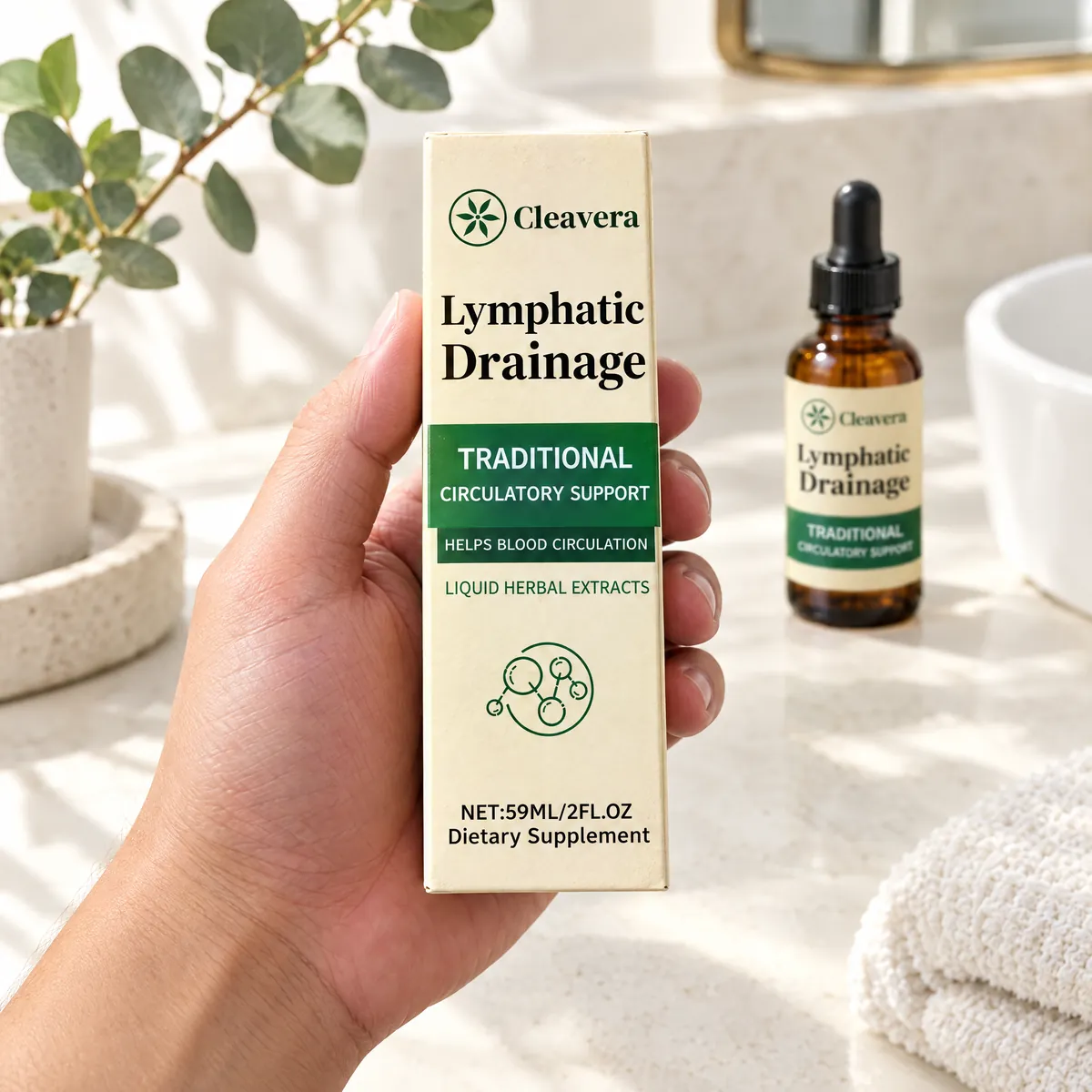
Pregnancy and the months after it bring tired legs, puffy ankles and a lot of advice, some of it about herbal drops. So it’s a fair question: can you take lymphatic drainage drops while pregnant or breastfeeding?
For our own product, the answer is no. This article explains why, ingredient by ingredient, with the sources we relied on, and what to talk to your midwife, doctor or pharmacist about instead. It’s general information, not medical advice, and it isn’t a judgment on anyone who has already taken something.
Can you take lymphatic drainage drops while pregnant?
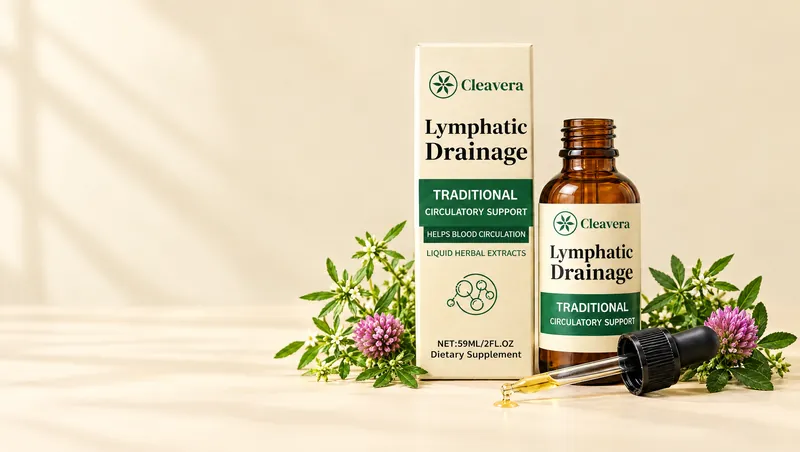
Not Cleavera. Our drops are not for use at any stage of pregnancy. One of the four herbs, red clover, has estrogen-like activity, two others carry specific pregnancy warnings, and none has been studied for safety in pregnant people.
That fits the wider advice on herbal products. The NHS says not all “natural” remedies or complementary therapies are safe in pregnancy, warns that some products may be poor quality or contain other substances that could be harmful, and asks pregnant people to tell their midwife, doctor or pharmacist about any herbal remedy they use. With a formula like ours, we don’t think “ask first” goes far enough. Please don’t take it while you’re pregnant.
Can you take lymphatic drops while breastfeeding?
No. Cleavera is not for use while breastfeeding, including if you’re pumping or combination feeding. We couldn’t find research on whether these herbs pass into breast milk or how they might affect a baby, and the references we checked advise avoiding each one.
The CDC asks nursing parents to tell both their own health care provider and their baby’s provider about any medicines or supplements they take, including vitamins and herbs. For questions about a specific product, it points to LactMed, a database on drugs and other chemicals that breastfeeding parents may be exposed to, and to MotherToBaby, a service that answers questions about herbal products during pregnancy and breastfeeding.
Should you stop taking Cleavera while trying to conceive?
Yes. Please stop when you start trying to conceive. The NHS advises against taking herbal remedies if you’re trying to get pregnant, and the first weeks of a pregnancy often pass before a test turns positive.
If you’re having fertility care, tell your fertility team about every supplement, tea and herbal product you take. Red clover’s estrogen-like isoflavones are one more reason to keep them fully informed.
Why is each herb a concern in pregnancy and breastfeeding?
Each of Cleavera’s four herbs has its own reason for caution. The common thread is that none has been shown to be safe for pregnant or nursing people, and two carry specific warnings.
Red clover (Trifolium pratense)
Red clover flowers contain isoflavones, plant compounds that the NIH’s National Center for Complementary and Integrative Health (NCCIH) describes as structurally similar to estrogen. Memorial Sloan Kettering’s About Herbs database describes them as phytoestrogens and names two, formononetin and biochanin A. NCCIH says red clover supplements “may be unsafe for use during pregnancy or while breastfeeding,” and Memorial Sloan Kettering’s advice is simply to avoid red clover at both times. Our guide to red clover covers the plant in more depth.
Stillingia (Stillingia sylvatica)
Stillingia, also called queen’s delight, is a root that herbalists have long used only in small amounts, because larger doses irritate the digestive tract and can cause nausea, vomiting and diarrhea. RxList’s supplement monograph goes further for pregnancy and nursing: it calls queen’s delight unsafe to take by mouth if you’re pregnant or breastfeeding, especially as fresh root. More on its history in our stillingia root guide.
Prickly ash (Zanthoxylum americanum)
Prickly ash bark gives our drops their gentle warming tingle. RxList notes that northern prickly ash bark might be unsafe during pregnancy, recommends avoiding it if you’re pregnant, and calls it wise to avoid while breastfeeding because not enough is known about its effects on nursing babies. It can also stimulate digestive juices, so it isn’t advised with ulcers or other stomach and intestinal problems. See our prickly ash bark guide.
Cleavers (Galium aparine)
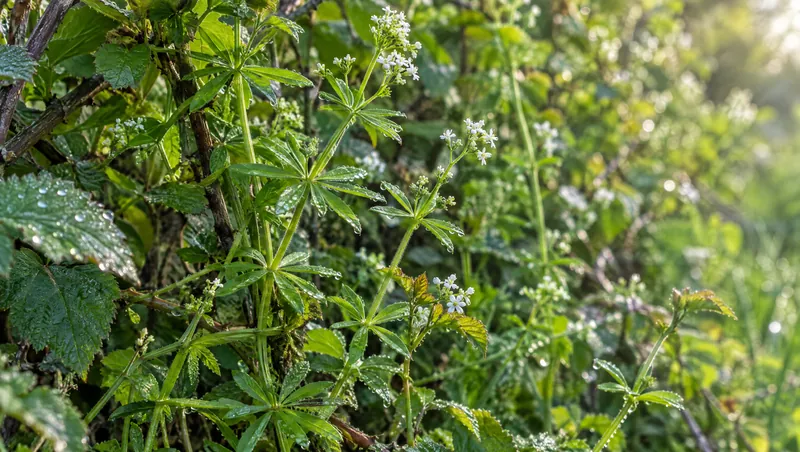
Cleavers has the gentlest reputation of the four, and RxList rates it possibly safe for most people when taken appropriately by mouth. But there isn’t enough reliable information about its safety in pregnancy or breastfeeding, and RxList’s advice is to stay on the safe side and avoid it.
The base: vegetable glycerin and water
The base isn’t the issue. Cleavera is a glycerite, made with vegetable glycerin and water instead of alcohol, as we explain in glycerite vs. tincture. But an alcohol-free extract still carries the herbs. Alcohol-free doesn’t mean pregnancy-safe.
| Ingredient | Why it calls for caution | What references say about pregnancy and breastfeeding |
|---|---|---|
| Red clover flower | Isoflavones structurally similar to estrogen | NCCIH: may be unsafe in pregnancy or breastfeeding. Memorial Sloan Kettering: avoid |
| Stillingia root | Irritates the digestive tract; traditionally used only in small amounts | RxList: unsafe by mouth in pregnancy or breastfeeding |
| Prickly ash bark | Stimulates digestive juices; little safety data | RxList: bark might be unsafe in pregnancy; wise to avoid while breastfeeding |
| Cleavers herb | Little safety data | RxList: not enough reliable information; avoid |
| Vegetable glycerin and water | The base only | Not the concern; the herbs are |
Is a small daily dose still a concern?
Yes. No safe amount of these herbs has been established for pregnancy or breastfeeding, so a small serving doesn’t solve the problem. A daily supplement also means repeated exposure, twice a day, week after week.
There’s a practical issue, too. Like many herbal products, Cleavera lists a 300 mg proprietary blend per 1 mL, which shows the total amount of the four herbs rather than the amount of each. That makes it harder for a clinician to judge the dose of any single herb. Our label-reading guide explains proprietary blends in more detail.
What if you took Cleavera before you knew you were pregnant?
Stop taking it, and mention it to your midwife or doctor at your next appointment, or sooner if you’re worried. Bring the bottle or a photo of the label so they can see exactly what’s in it.
Try not to panic. Your care team is used to questions like this. In the US, MotherToBaby, the service the CDC points parents to, answers questions about herbal products in pregnancy and breastfeeding at 866-626-6847.
What can you do instead to feel more comfortable during pregnancy?
Ask your midwife or doctor about simple everyday habits rather than supplements. The NHS says some swelling in the legs, ankles, feet and fingers is normal in pregnancy, because the body holds more water than usual, and it suggests a few comfort measures.
- Avoid standing for long periods.
- Wear comfortable shoes without tight straps.
- Rest with your feet raised when you can.
- Take regular walks.
- Try foot exercises, sitting or standing: bend and stretch each foot up and down 30 times, then rotate it 8 times each way.
Our desk routine for healthy circulation has similar ankle moves for long workdays; check with your midwife which ones suit you. Planning a long trip? Our guide to keeping circulation moving on long flights explains why pregnancy is on the list of risk factors for travel-related clots.
Call your midwife, doctor or labor and delivery unit right away if you have a sudden increase in swelling in your face, hands or feet, a very bad headache, problems with your vision such as blurring or flashing lights, severe pain just below your ribs, or you feel very unwell. The NHS notes that sudden swelling can be a sign of pre-eclampsia, which needs prompt care.
See a doctor about swelling in one leg, especially with pain, redness or warmth. Sudden shortness of breath or chest pain is an emergency: call 911.
When can you start taking Cleavera after pregnancy?
Once you’ve finished breastfeeding, and once your clinician agrees it suits you. Ask first if you had pregnancy complications, take medicines such as blood thinners, or use hormonal birth control; our guide to side effects and who should skip lymphatic drops explains why.
When the time comes, you can read the full Supplement Facts on the Lymphatic Drainage Drops page and meet each plant in our ingredient guide. Cleavera’s herbs are traditionally used to support healthy lymphatic flow,* and the drops are made for adults who aren’t pregnant or breastfeeding.
What should you ask your midwife, doctor or pharmacist?
Bring the bottle, or a photo of the label, and ask:
- I’ve been taking an herbal product. Should I stop, and is there anything you want to check?
- Which everyday habits suit me right now, such as walking or foot exercises?
- Which symptoms should make me call you the same day?
- Before a long trip, do I need anything beyond moving regularly?
- Once I’ve finished breastfeeding, is it OK to restart herbal supplements?
Our FAQ covers other common questions about Cleavera, and you can always email us at hello@cleavera.com.
Frequently asked questions
Is red clover tea safe during pregnancy?
Ask your midwife or doctor before drinking it. NCCIH’s caution covers red clover supplements, and Memorial Sloan Kettering’s advice is to avoid red clover while pregnant or breastfeeding. Many herbal teas haven’t been studied in pregnancy, so it’s worth checking any of them with your care team first.
Can I take Cleavera during IVF or other fertility care?
No. Please don’t use it while you’re trying to conceive, and that includes fertility care. Red clover’s isoflavones have estrogen-like activity, and fertility care often involves carefully timed hormones. Tell your fertility team about every supplement, tea and herbal product you take so they can review them.
Does alcohol-free mean Cleavera is safe in pregnancy?
No. Cleavera is an alcohol-free glycerite, but the concern in pregnancy and breastfeeding comes from the herbs, not the base. Red clover, stillingia, prickly ash and cleavers are in the bottle whether the extract is made with glycerin or alcohol, so our answer stays the same.
Can I take Cleavera if I’m pumping or combination feeding?
No. Pumping and combination feeding are still breastfeeding, so the same caution applies. Wait until you’ve stopped giving breast milk altogether, then check with your clinician before you start. If you’re unsure how long to wait after your last feed, ask your doctor or pharmacist.
Is lymphatic drainage massage safe during pregnancy?
Ask your midwife or doctor first. Gentle self-massage may suit some pregnancies but not others, and anyone with signs of a blood clot, an infection or certain pregnancy complications should skip it. If you get the go-ahead, keep the pressure light and stop if anything feels uncomfortable.
Sources
- NIH National Center for Complementary and Integrative Health. “Red Clover: Usefulness and Safety.” nccih.nih.gov/health/red-clover
- Memorial Sloan Kettering, About Herbs. “Red Clover.” mskcc.org/…/herbs/red-clover
- RxList. “Queen’s Delight: Health Benefits, Side Effects, Uses, Dose & Precautions.” rxlist.com/supplements/queens_delight
- RxList. “Northern Prickly Ash: Health Benefits, Side Effects, Uses, Dose & Precautions.” rxlist.com/supplements/northern_prickly_ash
- RxList. “Clivers: Health Benefits, Side Effects, Uses, Dose & Precautions.” rxlist.com/supplements/clivers
- NHS. “Medicines in pregnancy.” nhs.uk/pregnancy/keeping-well/medicines
- Centers for Disease Control and Prevention. “Prescription Medication Use” (Breastfeeding Special Circumstances). cdc.gov/breastfeeding-special-circumstances/…/prescriptions
- NHS. “Swollen ankles, feet and fingers in pregnancy.” nhs.uk/pregnancy/…/swollen-ankles-feet-and-fingers