Dry Brushing vs. Gua Sha: Which Self-Care Ritual Fits You?
One is a brush for your body, the other a smooth stone for your face. Here’s how dry brushing and gua sha differ in tools, technique and evidence, who should skip them, and how to fit both into one calm routine.
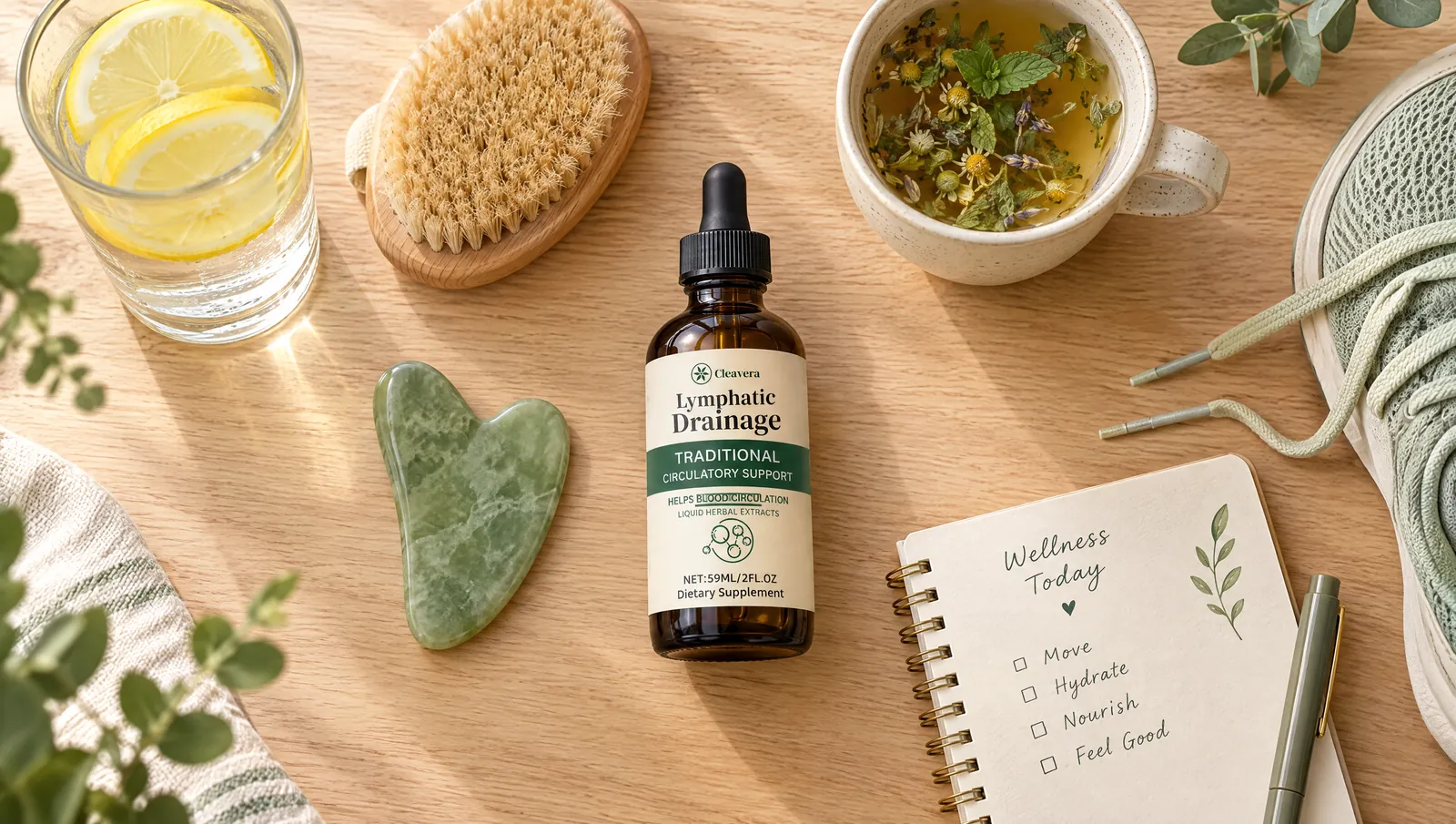
Dry brushing and gua sha often get filed together as lymphatic self-care. Both are quick, inexpensive rituals that use a hand tool on bare skin, and both carry bigger promises online than the research can back up. But they suit different parts of the body, call for different skin prep and pressure, and have different evidence behind them. Here’s how to pick one, or use both without doubling up on the same skin.
Is gua sha the same as dry brushing?
No. Dry brushing is a way to exfoliate body skin with a dry, firm-bristled brush, while gua sha is a technique from traditional Chinese medicine that strokes lotioned or oiled skin with a smooth-edged tool.
What dry brushing is
Dry brushing means sweeping a dry brush over dry skin, usually just before a shower. The American Academy of Dermatology (AAD) counts brushes among the tools of mechanical exfoliation, which physically removes dead skin cells. Cleveland Clinic dermatologist Shilpi Khetarpal, MD, describes it as a very good way to exfoliate rough, dry skin.
What gua sha is
Gua sha is a tool-assisted massage. A practitioner, or you at home, strokes the skin with a small, smooth-edged tool. According to Cleveland Clinic, the name loosely means scraping, rubbing or pushing, and you may hear it called coining, spooning or muscle scraping. In traditional Chinese medicine, it’s said to balance the flow of qi, or energy, a framework Western medicine doesn’t share.
Dry brushing vs. gua sha: how do they compare?
Dry brushing is a quick, dry, all-over body exfoliation. Gua sha is a slower, oiled stroke that stays very light on the face and gets firmer on the body. Here’s how they line up.
| What differs | Dry brushing | Gua sha |
|---|---|---|
| Where it’s used | Body skin: legs, arms, torso and back. Not the face. | Face and neck at home; neck, shoulders, back and legs in traditional practice |
| Tool | A brush with firm natural or synthetic bristles, often with a long handle | A smooth-edged tool of jade, rose quartz or another stone, or stainless steel |
| Skin prep | Dry skin and a dry brush | Clean skin with oil, lotion or serum so the tool glides |
| Pressure | Light, a few strokes per area | Very light on the face; firmer on the body, built up gradually |
| Direction | Up from your feet and hands toward your chest; circles on the torso | Outward from the center of the face, then down the neck, in one direction |
| Time | About 3 to 5 minutes, before a shower | About 5 to 8 minutes for the face |
| Marks | Faint pinkness at most | None expected on the face; red to purple sha marks expected on the body |
| Best-supported effect | Exfoliation | A brief rise in blood flow in the skin it touches; short-term neck pain relief in small trials |
| Lymph evidence | No controlled studies we could find | No studies of facial gua sha and lymph we could find |
| Usually done by | You, at home | You for the face; a trained practitioner for the body |
Where on the body is each one used?
Dry brushing is for your body, from your feet to your shoulders. Gua sha at home is for your face and neck, and body gua sha is best left to a trained practitioner.
- Dry brushing covers your legs, arms, torso and back. Cleveland Clinic suggests easing off on the belly, breasts and neck, where skin is more sensitive, and leaving the face to gentler products made for facial skin.
- Facial gua sha covers the face and neck with very light pressure. Cleveland Clinic says it’s typically fine to try on your face yourself.
- Body gua sha is the traditional form, sought out for tightness in the neck, shoulders, back and legs. Cleveland Clinic recommends a trained provider, such as a licensed acupuncturist, for gua sha on your body.
Body gua sha is meant to leave marks. Cleveland Clinic explains that these reddish-purple spots, called sha, are petechiae: tiny spots of bleeding under the skin from broken capillaries. A 2007 study in Explore describes them as transitory, but they can look like bruising for a while. On your face, the same marks simply mean you pressed too hard.
What tools do you need for dry brushing and gua sha?
A dry brush has bristles, and a gua sha tool has a smooth, polished edge. Neither needs to be expensive.
- Dry brush. Look for firm but flexible bristles, natural plant fibers such as sisal or synthetic, and a long handle for your back. Cleveland Clinic notes that the right stiffness depends on how sensitive your skin is, and that a plain, dry washcloth works if a brush feels too harsh.
- Gua sha tool. Jade and rose quartz are popular, and stainless steel is sturdy and easy to clean. No material has been shown to work better; Cleveland Clinic’s acupuncturist, Tim Sobo, says a small wooden spoon works just as well. What matters is a smooth edge with no chips or cracks.
Keep both tools to yourself, and keep them clean. Our guides on how to dry brush and how to use gua sha cover care and cleaning, along with full step-by-step routines.
How does the technique differ?
Dry brushing is quick and dry, with light strokes toward your chest. Gua sha is slow and slippery, with the tool held almost flat and moved in one direction, lifting it after each stroke.
Dry brushing basics
- Start with dry skin and a dry brush, ideally standing in the tub just before you shower.
- Use light strokes, a few per area, upward from your feet and hands toward your chest, with gentle circles on your torso and back. The AAD recommends short, light strokes with a brush.
- Don’t keep going over the same spot. Cleveland Clinic warns that it can cause irritation or even bleeding.
- Shower in lukewarm water, then moisturize right away. The AAD notes that exfoliation can dry your skin.
Gua sha basics
- Cleanse your face, then smooth on a facial oil, lotion or serum. Cleveland Clinic recommends lotion or serum so the tool glides easily.
- Hold the tool almost flat against your skin.
- Work outward from the center of your face, using your nose as the midpoint, then finish with strokes down the sides of your neck. Cleveland Clinic advises one smooth, straight direction, since rubbing back and forth can stretch and irritate the skin.
- Keep the pressure light. A little pinkness is fine; pain is not. Don’t press into swollen areas, which Cleveland Clinic says can burst capillaries and cause bruising.
If you’d rather use only your hands, our facial lymphatic drainage massage guide follows a similar map without a tool.
What does the research actually show?
Dry brushing’s clearest benefit is exfoliation, and gua sha has a handful of small studies on skin blood flow and neck pain. Claims that either one moves lymph are mostly anecdotal.
Dry brushing: exfoliation, mostly
Brushing loosens dead skin cells, so your skin can feel smoother and look brighter for a while. Cleveland Clinic’s dermatologist also says dry brushing increases circulation and promotes lymph flow, but that’s an expert view rather than measured data, and we couldn’t find controlled studies that tracked lymph flow during dry brushing. The same article says there’s no scientific evidence that dry brushing changes cellulite; any visible difference is likely brief plumping of the skin from increased blood flow.
Gua sha: small studies, short-term effects
- Skin blood flow. In a 2007 pilot study in Explore, Nielsen and colleagues gave 11 healthy adults one gua sha session on the back and measured the skin with laser Doppler imaging. Surface blood flow rose about fourfold for the first 7.5 minutes and stayed significantly higher across the 25 minutes measured. There was no separate comparison group.
- Neck pain. In a 2011 randomized trial in Pain Medicine, 48 people with chronic neck pain had either one gua sha session or a heat pad. A week later, pain had improved significantly more in the gua sha group. Participants knew which they’d had, and the authors say its long-term value remains to be clarified.
- Neck and low back pain. A 2012 pilot trial in the American Journal of Chinese Medicine randomized 40 people with chronic neck or low back pain to one gua sha session or a waiting list. A week later, the gua sha groups reported less pain than the controls. It was small, with no sham comparison.
- Face and lymph. All three studies used firm body gua sha, not the light facial version. Cleveland Clinic notes that research doesn’t address the popular claim that facial gua sha eases puffiness, though it suggests gentle downward strokes may help lymphatic fluid move. We couldn’t find a study that measured lymph flow during gua sha.
Skin that feels smoother after brushing, or looks a little rosier after gua sha, fits what the research can show. Think of both as pleasant rituals, not tools that reshape your body or face.
Gua sha or dry brushing for lymphatic drainage: which is better?
Neither has been shown to be better, because neither has been properly studied for lymph flow. Choose the one you’ll enjoy and can do safely.
If supporting healthy lymph flow is your main interest, everyday habits are a good place to start. Our guide to 10 daily habits for healthy lymph flow covers walking, breathing, hydration and sleep, and our gentle lymphatic drainage massage at home uses slow, light hand strokes instead of bristles or a stone. For a broader comparison, see lymphatic drops vs. massage vs. dry brushing.
Who should skip dry brushing or gua sha?
Skip both on broken, irritated or flaring skin, and ask a clinician first if you take blood thinners, bruise easily or have a skin condition.
- Broken or irritated skin. Avoid cuts, scrapes, sores, burns, sunburn, rashes and infected skin. The AAD advises against exfoliating over open cuts or sunburn. Brush around moles, warts and raised bumps.
- Acne and rosacea flares. The AAD advises people with rosacea to avoid rubbing, scrubbing or massaging their skin, and to stop exfoliating. It also notes that sensitive or acne-prone skin may do better with a mild chemical exfoliant than a mechanical one. Work around breakouts, and pause during a flare.
- Retinoids, benzoyl peroxide or dark spots. The AAD notes that exfoliating while you use retinoids or benzoyl peroxide can worsen dryness or cause breakouts, and that aggressive exfoliation can increase pigmentation in some people with darker skin.
- Blood thinners and bleeding conditions. Cleveland Clinic lists blood thinners such as aspirin, warfarin (Coumadin) and apixaban among the reasons gua sha may not be a good fit, since it can cause bruising. The same caution makes sense if you have a bleeding disorder or bruise easily.
- Recent injectables or procedures. After botulinum toxin injections, the AAD says not to rub or massage the injected areas. After fillers, lasers, peels or surgery, wait for your provider’s go-ahead before using gua sha on your face.
- Other reasons to ask first. Before gua sha, Cleveland Clinic also flags circulation problems, diabetes, eczema, psoriasis and pregnancy.
Skip it, or ask your clinician first, if you have known or suspected blood clots, an active infection or fever, a heart or kidney condition, a serious illness under active medical care, or recent surgery. Stop if either ritual hurts, scratches or bruises.
See a doctor about anything new, one-sided, red, hot or painful, such as swelling in one leg, one arm or one side of your neck. That needs a proper check, not a brush or a stone.
How do you choose between dry brushing and gua sha?
Choose by the area you want to care for: dry brushing for rough or dry body skin, gua sha for a slow, calming facial ritual.
- Rough, dry skin on your arms, legs or back: dry brushing.
- A few quiet minutes for your face and neck: facial gua sha.
- A tight neck or shoulders: body gua sha from a licensed acupuncturist or trained massage therapist, not scraping at home. Tell them about your health conditions and medications.
- Short on time: dry brushing, which adds 3 to 5 minutes to a shower you’re already taking.
- Sensitive, rosacea-prone or eczema-prone skin: perhaps neither. Ask a dermatologist first, and try a soft, dry washcloth on your body instead of a brush.
Can you do dry brushing and gua sha in the same routine?
Yes, as long as each one has its own territory: dry brush your body, use gua sha on your face and neck, and don’t do both on the same patch of skin on the same day.
- Start with water. Have a glass of water when you wake up.
- Dry brush your body. Spend 3 to 5 minutes brushing from your feet and hands toward your chest, leaving your neck and face out.
- Shower and moisturize. Rinse in lukewarm water, then apply lotion or body oil while your skin is still slightly damp.
- Gua sha your face and neck. Cleanse, smooth on oil or serum, and spend about 5 minutes on light, outward strokes, finishing down the sides of your neck.
- Clean up. Wash the stone, tap out the brush and let both dry.
How often? Two or three dry brushing sessions a week is a sensible start. Cleveland Clinic suggests up to once a day, and the AAD’s rule of thumb is that the more aggressive the exfoliation, the less often you need it. For facial gua sha, a few minutes several times a week is plenty. If your skin stings, feels tight or stays red, cut back. Our gentle routine for a puffy morning face shows another way to fit gua sha into your morning.
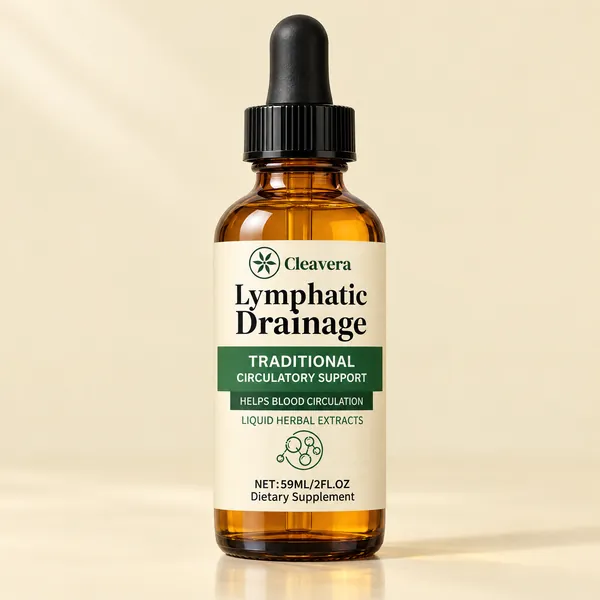
Some people also add a daily herbal ritual. Cleavera Lymphatic Drainage Drops combine cleavers, red clover, stillingia and prickly ash, four herbs traditionally used to support healthy lymphatic flow.* Stir 1 mL into your morning water and again later in the day. See how the drops work, and check who should skip lymphatic drops before you start.
Frequently asked questions
Can you use a dry brush on your face?
It’s best not to. Cleveland Clinic advises leaving your face out of dry brushing and using gentler products and methods made for facial skin instead. If you want a tool-based ritual for your face, light gua sha on oiled skin is the gentler choice, as long as your skin is calm and not flaring.
Do you need oil for gua sha but not for dry brushing?
Yes. Dry brushing is done with a dry brush on dry skin, followed by a shower and moisturizer. Gua sha needs slip, so smooth on a facial oil, lotion or serum first. Without it, the tool drags and tugs at your skin, which can leave it red and irritated.
Is it normal for gua sha to leave red marks?
On the body, yes. Traditional gua sha deliberately raises red to purple marks called sha, which are petechiae: tiny spots of bleeding under the skin from broken capillaries. They’re temporary. On your face, marks mean the pressure was too firm. See a doctor if you bruise easily without much pressure.
Which is better for lymphatic drainage, gua sha or dry brushing?
Neither has been shown to be better. We couldn’t find controlled studies that measured lymph flow during dry brushing or facial gua sha. Choose the ritual you enjoy and can do safely, and pair it with everyday habits such as walking, slow breathing and drinking enough water.
Can you dry brush and gua sha on the same day?
Yes, if you keep them to different areas. Dry brush your body before you shower, then use gua sha on your face and neck after cleansing. Don’t use both on the same patch of skin on the same day, and cut back if your skin stings, feels tight or stays red.
Sources
- Cleveland Clinic. “The Truth About Dry Brushing and What It Does for You.” health.clevelandclinic.org/the-truth-about-dry-brushing…
- American Academy of Dermatology. “How to safely exfoliate at home.” aad.org/media/news-releases/evaluate-before-you-exfoliate
- Cleveland Clinic. “Gua Sha: What It Is and How To Do It.” health.clevelandclinic.org/why-gua-sha-might-be-good-for-you
- Explore (Nielsen A, et al.). “The effect of Gua Sha treatment on the microcirculation of surface tissue: a pilot study in healthy subjects.” 2007. pubmed.ncbi.nlm.nih.gov/17905355
- Pain Medicine (Braun M, et al.). “Effectiveness of traditional Chinese ‘gua sha’ therapy in patients with chronic neck pain: a randomized controlled trial.” 2011. pubmed.ncbi.nlm.nih.gov/21276190
- American Journal of Chinese Medicine (Lauche R, et al.). “Randomized controlled pilot study: pain intensity and pressure pain thresholds in patients with neck and low back pain before and after traditional East Asian ‘gua sha’ therapy.” 2012. pubmed.ncbi.nlm.nih.gov/22928824
- American Academy of Dermatology. “7 rosacea skin care tips dermatologists recommend.” aad.org/public/diseases/rosacea/triggers/tips
- American Academy of Dermatology. “Botulinum toxin therapy: FAQs.” aad.org/public/cosmetic/wrinkles/botulinum-toxin-faqs
Like our guides? Add Cleavera as a preferred source on Google and our articles can show up more often for you in Google’s Top Stories and AI answers.